

Pediatric Orthopedics
Pediatric center
Bowlegs & knock knees
Bowleg
O자·X자 다리의 원인을 확인하고 성장에 따른 교정 여부를 판단합니다.
소아정형 질환은 성장과 함께 자연히 좋아지는 경우와, 시기를 놓치면 교정이 어려워지는 경우가 함께 있습니다. 정확한 구분이 치료의 시작입니다.
Bowlegs & knock knees conditions
Tap a condition to read more below
휜다리 질환
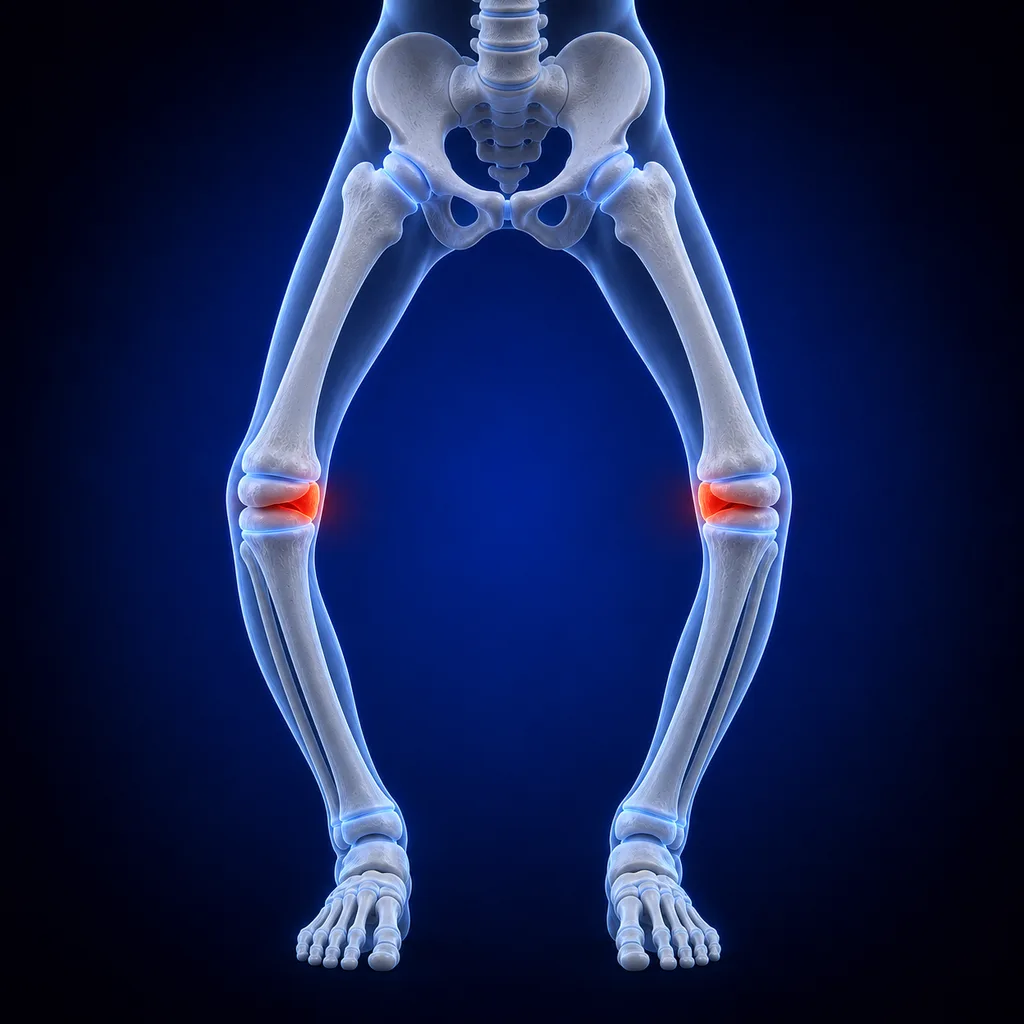
성장기의 다리 모양은 걸음걸이 기능에 영향을 미치고 나아가서 허리나 엉덩이, 무릎 관절에도 영향을 미치게 됩니다.
오다리는 내반슬이라고도 부르며 양쪽 발목을 붙이고 섰을 때 무릎 사이 간격이 5cm 이상 떨어지는 경우를 말합니다. 체중 중심이 앞쪽에 있으며 골반이 앞쪽으로 기울어진 체형에서 쉽게 발생합니다.
- 서있을 때 좌우 귀 높이, 어깨 높이, 골반 높이가 다르다.
- The pelvis is tilted and it hurts.
- Standing naturally shifts onto one leg.
Causes
Genetic predisposition · Disease (rickets, Blount disease) · Misalignment from daily habits
How it is diagnosed
History and physical examination — The specialist takes your symptoms, medical history and daily habits, then examines you to reach a diagnosis.
X-ray — X-rays pass through the body and the differences in shadow they leave are used for diagnosis.
MRI — High-resolution imaging of what X-ray cannot show: soft tissue, muscle, ligament and cartilage, along with nerves and vessels.
Exbody scan — Quantified reports, 3D images and simulation videos visualize muscle imbalance, joint asymmetry, weight distribution and the body's central axis from the front, side and back to analyze posture.
비수술 · 시술 치료
Bowlegs
Manual and exercise therapy
A physiotherapist uses release techniques and joint mobilisation, guided by anatomy, to reduce pain and restore function.
Exercise coaching
Individually tailored exercise coaching corrects the imbalance in the body and teaches correct habits to prevent recurrence.
Custom insoles
이학적 검사와 보행 분석을 통해 개인별 맞춤 깔창을 제작, 무너진 발의 구조를 개선시키고 통증을 완화시킵니다.
Bowlegs & knock knees FAQ
- My child's legs are bowed — is that normal?
- The usual pattern is bow-legged around the first birthday, closer to knock-kneed around three or four, then straightening out with growth. It does need checking for another cause if the two legs differ markedly, if the deformity is severe for the child's age, or if it worsens rather than improves as the child grows.
- Does in-toeing need correction?
- It often improves with growth, but it should be checked if the child falls frequently or struggles to run. The approach differs depending on whether the rotation is in the foot, the shin or the thigh, so we combine X-ray with a gait assessment.
- When is surgery considered?
- We consider it when the deformity does not settle with growth and keeps loading the knee. If growth remains, temporary growth-plate tethering corrects the angle gradually; once growth is complete, corrective osteotomy is considered.
Pediatric Orthopedics care pathway
- 01
Consultation and examination
We check gait, posture, the pattern of pain and the growth history.
- 02
Imaging
X-ray shows bone alignment, the growth plates and bone age, and an Exbody posture scan checks balance and body alignment.
- 03
Choosing a direction
관찰·보조기·수술 중 성장 단계에 맞는 방법을 정합니다.
- 04
Growth follow-up
치료 후에도 성장에 따른 변화를 정기적으로 확인합니다.