

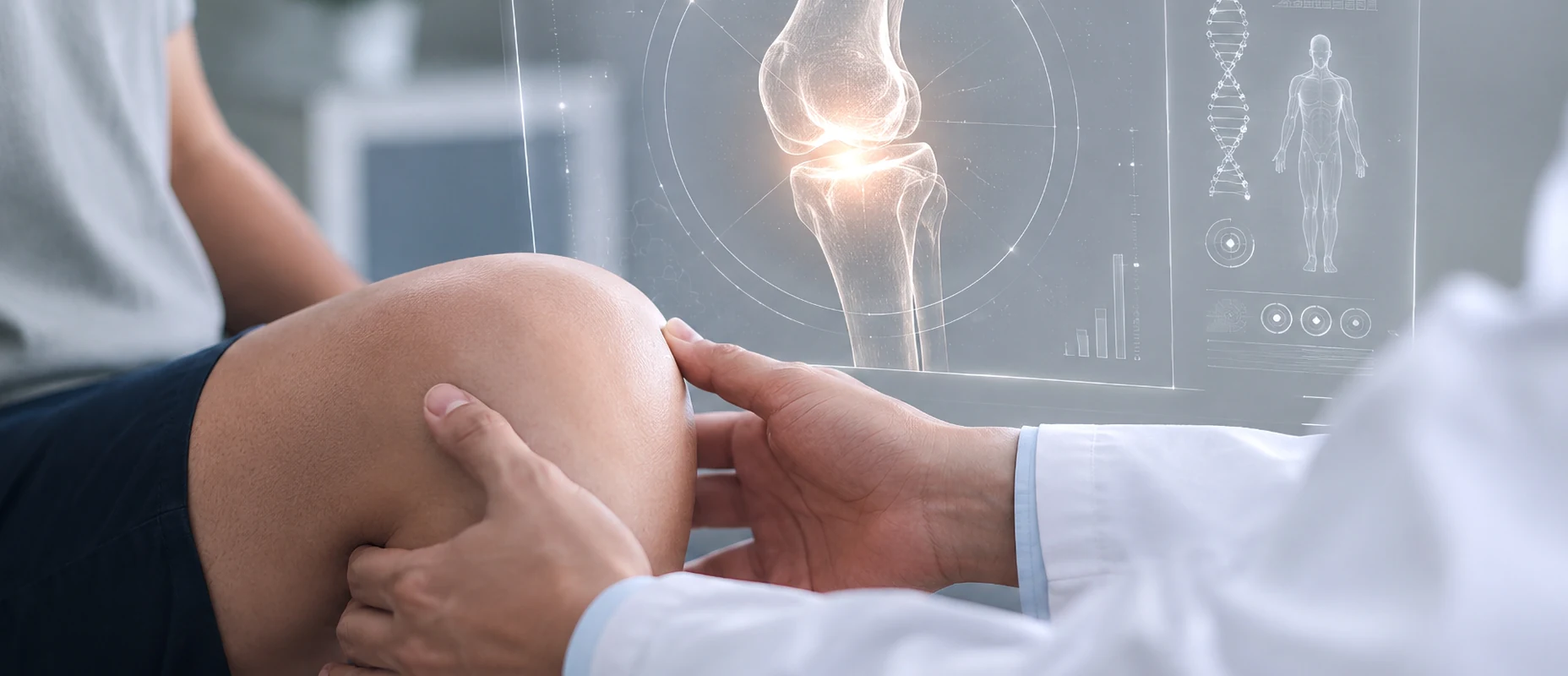
Joint Center
Joint center
Knee · hip
Knee · Hip joint
From osteoarthritis to cartilage and ligament injuries — we diagnose pain in the knee and hip.
Joint pain has many causes — age, daily habits, injury. The Joint Center checks cartilage, ligaments and tendons with precise imaging, then builds a plan around how active you are and what you want to get back to.
Knee · hip conditions
Tap a condition to read more below
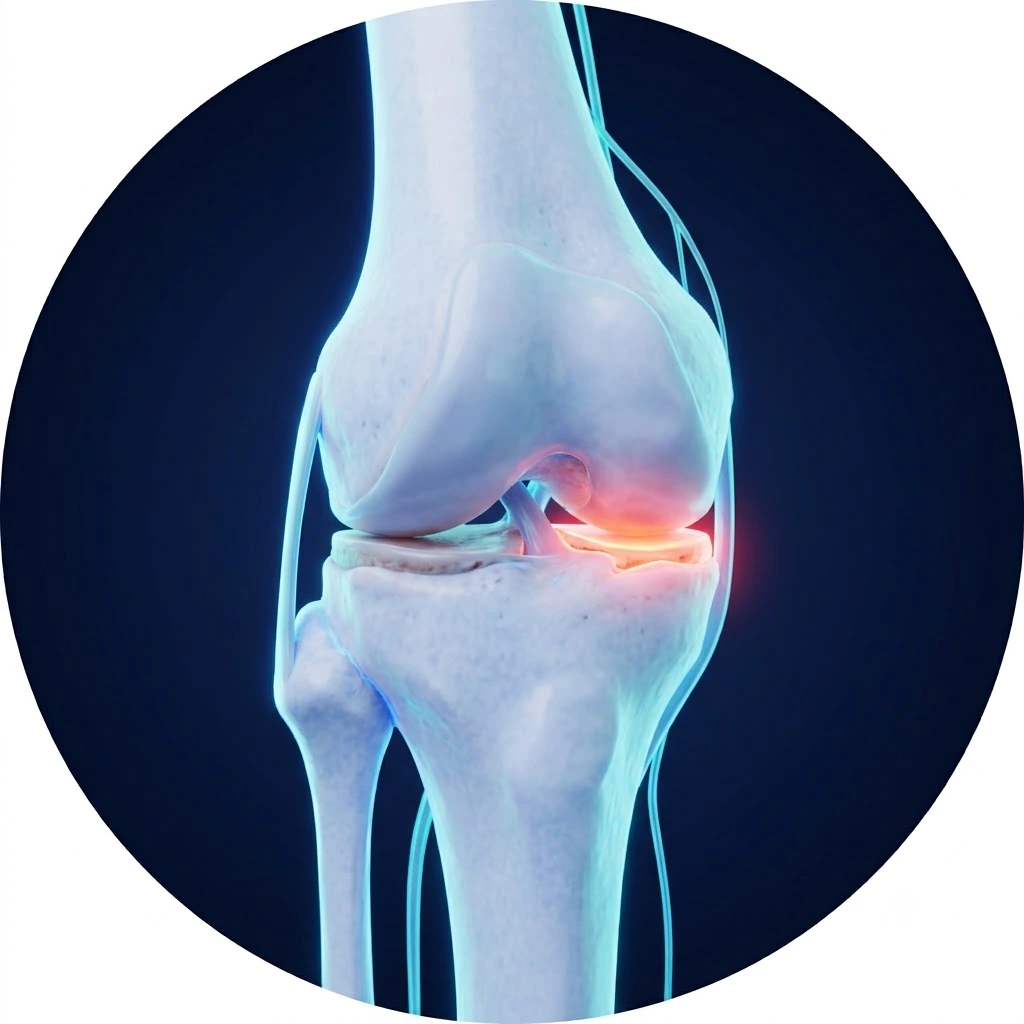
무릎 · 고관절 질환
In osteoarthritis the cartilage covering the bone ends wears away, so bone rubs on bone, causing pain and deformity.
It usually starts when going down stairs or standing up from a chair; later it hurts even at rest and the legs may bow outward. Worn cartilage does not grow back, so treatment focuses on slowing the process.
- Pain going down stairs
- Swelling and stiffness
- Leg deformity
Causes
Age-related degeneration of the soft tissue around the knee · Overloading the joint, or an injury · Excess body weight · A congenital or inherited deformity
How it is diagnosed
History and physical examination — The specialist takes your symptoms, medical history and daily habits, then examines you to reach a diagnosis.
X-ray — X-rays pass through the body and the differences in shadow they leave are used for diagnosis.
Ultrasound — Ultrasound uses no radiation and is quick and painless, which makes it easy on patients.
MRI — High-resolution imaging of what X-ray cannot show: soft tissue, muscle, ligament and cartilage, along with nerves and vessels.

비수술 · 시술 치료
Osteoarthritis
Manual and exercise therapy
A physiotherapist uses release techniques and joint mobilisation, guided by anatomy, to reduce pain and restore function.
Injection therapy
Depending on the symptoms and the state of the joint, we may use intra-articular injections, prolotherapy and other injection treatments.
PRP injection
Your own blood is drawn and spun down so that only the platelet-rich plasma is kept, then injected into the damaged area. The growth factors in the platelets settle the inflammation and help the tissue recover.
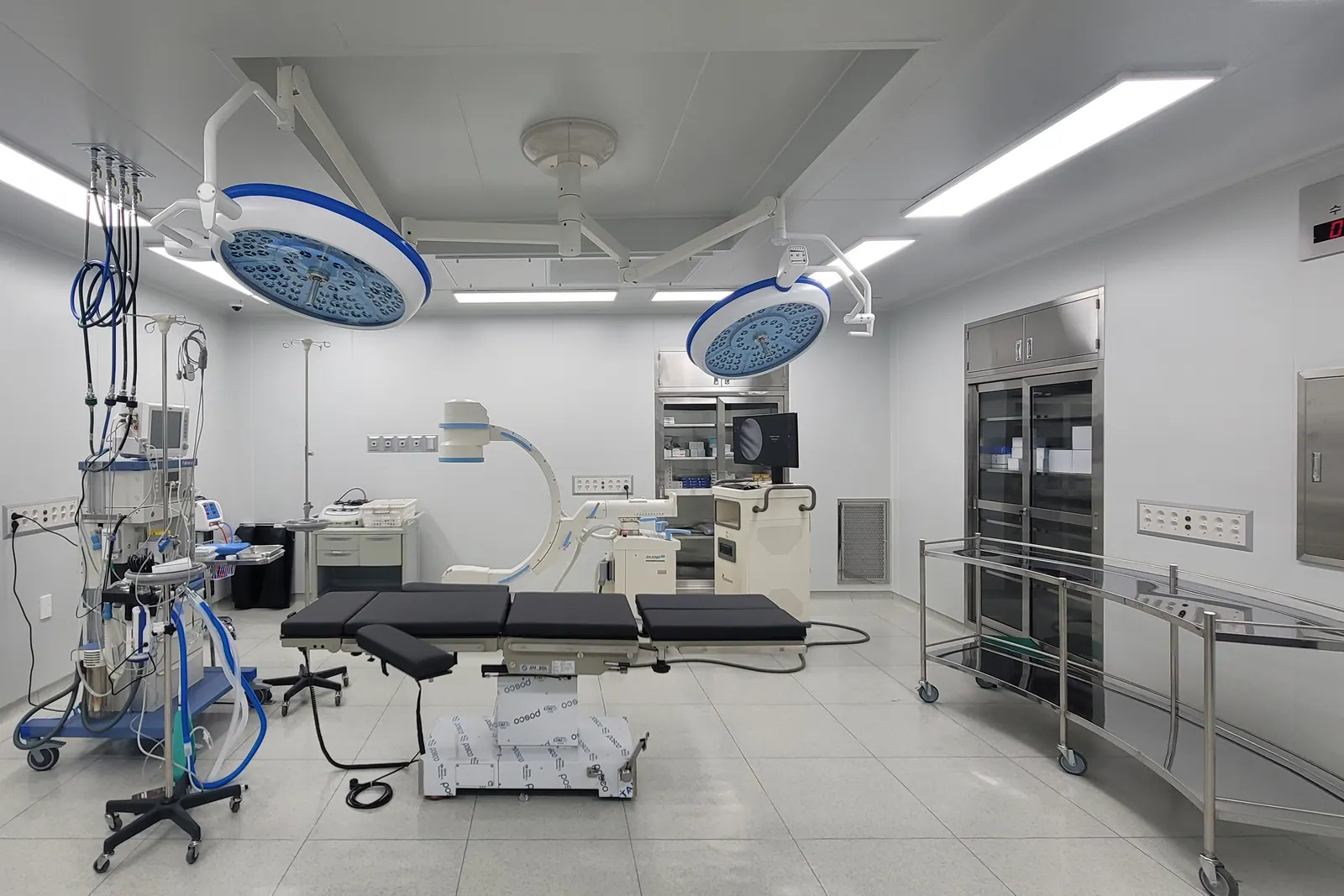
Surgical treatment
Knee · hip FAQ
- When is knee replacement surgery considered?
- It is considered when the cartilage has worn to the point that bone meets bone, and medication, injections and rehabilitation no longer control the pain enough for daily life. If the damage is confined to one side of the knee, a partial replacement of just that part may be an option instead of the whole joint — so we first establish the extent of the damage with imaging.
- Does a torn cruciate ligament always need surgery?
- It depends on how complete the tear is and how active you are. A partial tear with a stable knee may be managed with rehabilitation, but a complete tear — or a knee that repeatedly feels like it gives way during activity — calls for reconstruction. Left alone it can cause secondary damage to the meniscus and cartilage, so diagnosis comes first.
- My knee clicks — should I see a doctor?
- If there is only a sound, with no pain, swelling or catching, it is usually not a problem. But if the sound comes with pain, if the knee swells, or if it catches when you stand up from a squat, a meniscus tear is possible and should be checked.
Joint Center care pathway
- 01
Consultation and history
We go through where it hurts, your daily routine and your medical history.
- 02
Precise imaging
X-ray·초음파·MRI로 관절 내부 상태를 확인합니다.
- 03
Treatment plan
비수술 치료를 우선해 환자에 맞는 방향을 함께 정합니다.
- 04
Treatment and rehabilitation
Rehabilitation continues after treatment to get you back to daily life.